


By Katsuhiro Asagiri
ASTANA (INPS Japan) – At a private screening in Kazakhstan’s capital, films made with artificial intelligence offered a glimpse of technological change beyond laboratories and data centers. For their creators, AI is becoming a means of bringing previously difficult stories to the screen.
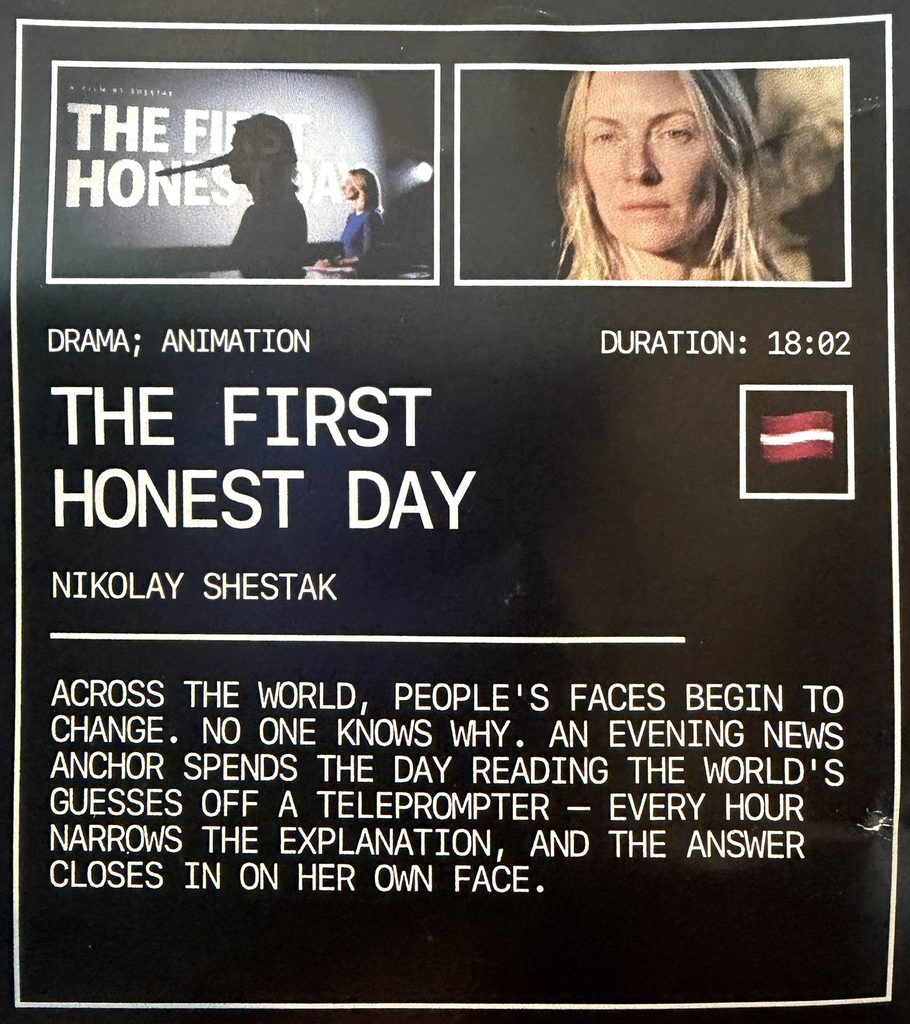
On October 3, the inaugural Astana AI Film Festival awarded its Grand Prix to Latvian filmmaker Nikola Shestak for “The First Honest Day.” Kazakhstan’s Myrzakhan Zhumakhan won Best Character for “It Was Just a Joke.”
Held alongside AI & Digital Bridge 2026, the festival reflected a broader ambition: to turn investment in technology into opportunities to learn, work, build businesses and create.
Interviews, briefings and exhibition booths revealed organizations working to make those connections. While the opening discussions emphasized national strategy and infrastructure, subsequent conversations showed people beginning to put that vision into practice.

One centerpiece is Alem.AI, housed in the spherical building of the former EXPO site. At an October 2 briefing, Deputy Prime Minister and Minister of Artificial Intelligence and Digital Development Zhaslan Madiyev described a pathway from public engagement through education, research and entrepreneurship to applications across the economy.
It begins with curiosity. Families and children can encounter AI through exhibitions, while the free TUMO program offers young people aged 12 to 18 opportunities to explore technology and creative disciplines.
According to ministry presentation materials, TUMO has 4,500 registered participants. Tomorrow School provides adults with a free learning environment built around peer learning, practical work and collaboration. Madiyev said the program had expanded to 14 regions.
These initiatives broaden the routes into technical learning, offering places where people can begin developing capabilities for a changing economy.
At the venue, an 18-year-old student from Atyrau who introduced himself as Dastan said he was studying AI. Speaking through translation, he expressed concern about relying on AI instead of developing his own understanding. His perspective illustrated a task accompanying expanded access: helping learners use powerful tools while strengthening independent thought.
A different route from skills to employment emerged at the Network School booth. A representative described a community combining accommodation, shared workspaces and support for participants with families.

The representative also outlined a process connecting Kazakhstani software engineers with international companies through online and in-person examinations, interviews and trial periods. The emphasis was on linking demonstrated ability with work, rather than providing conventional schooling.
For engineers able to work remotely while living in Kazakhstan, those connections could widen access to international markets.
A similar effort to turn digital skills into practical business tools is taking shape among Kazakhstan’s technology entrepreneurs.
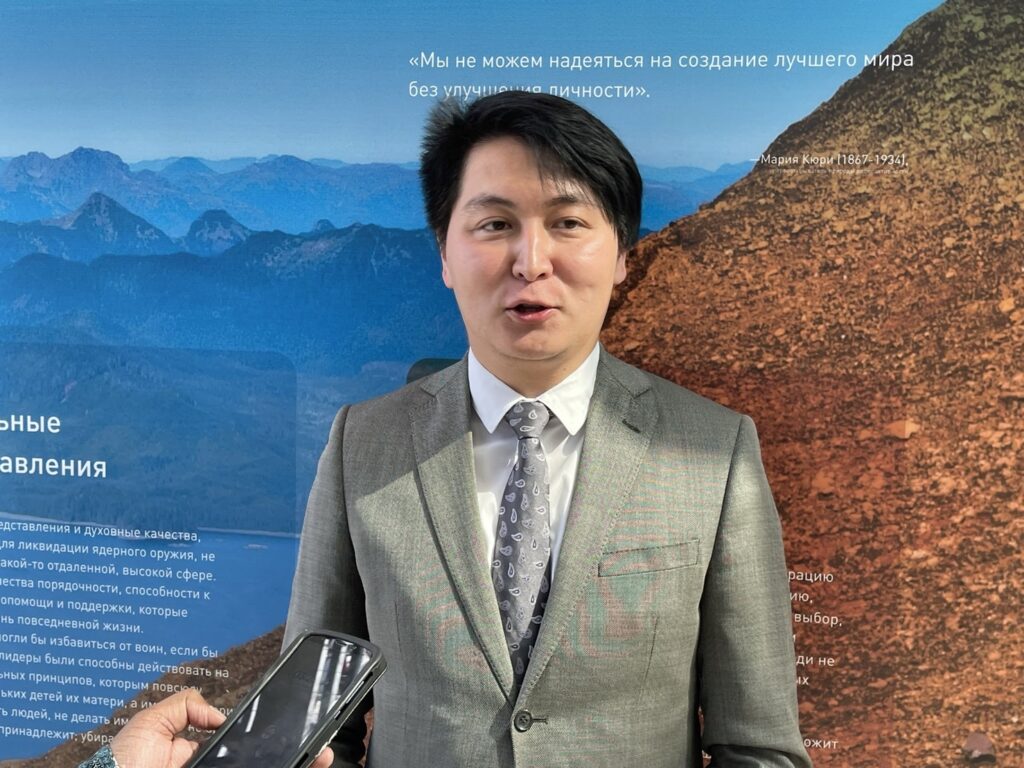
Madiyar Aiyp, CEO of BTKaz, said his company is developing FOCUS, a digital platform designed to make business-to-business procurement and interactions between corporate buyers and suppliers more efficient and transparent.
“For us, digitalization only creates value when it solves a real business problem,” Aiyp said. “Procurement can still involve fragmented communication, lengthy searches for suppliers and multiple stages of comparing technical and commercial offers. With FOCUS, we want to bring more of that process into a single digital environment.”
The platform grew out of practical procurement challenges: finding suppliers, comparing offers, coordinating requirements and moving transactions forward. Having developed software skills while working for local startups, Aiyp sees AI as a foundation for business tools that could eventually serve companies worldwide.
Kazakhstan is also seeking to attract international talent. At an October 3 briefing, Astana Hub Managing Director Rinata Ilyubayeva described “Trusted Kazakhstan,” an initiative intended to make the country an accessible base for technology specialists, founders, researchers and investors.

The support she outlined ranged from immigration procedures and paperwork to education, incubation, acceleration and business development. Foreign founders, she said, can establish companies and apply for Astana Hub incentives and services.
Kazakhstan aims to combine an entrepreneurial community with practical assistance so newcomers can concentrate on developing products.
An earlier account published by Astana Hub illustrated how professional opportunity and personal settlement can reinforce each other. Datanomix’s Nikita Susoev described building a career and family during five years in Kazakhstan. He said the company’s services reached markets from Uzbekistan to the United States, while the Digital Nomad framework strengthened his confidence in a long-term future there.
Ministry materials identified housing, education, healthcare and safety as conditions for retaining talent. Municipal briefings presented investments in schools, medical facilities and sports infrastructure, underscoring the importance of everyday services in supporting a growing capital.
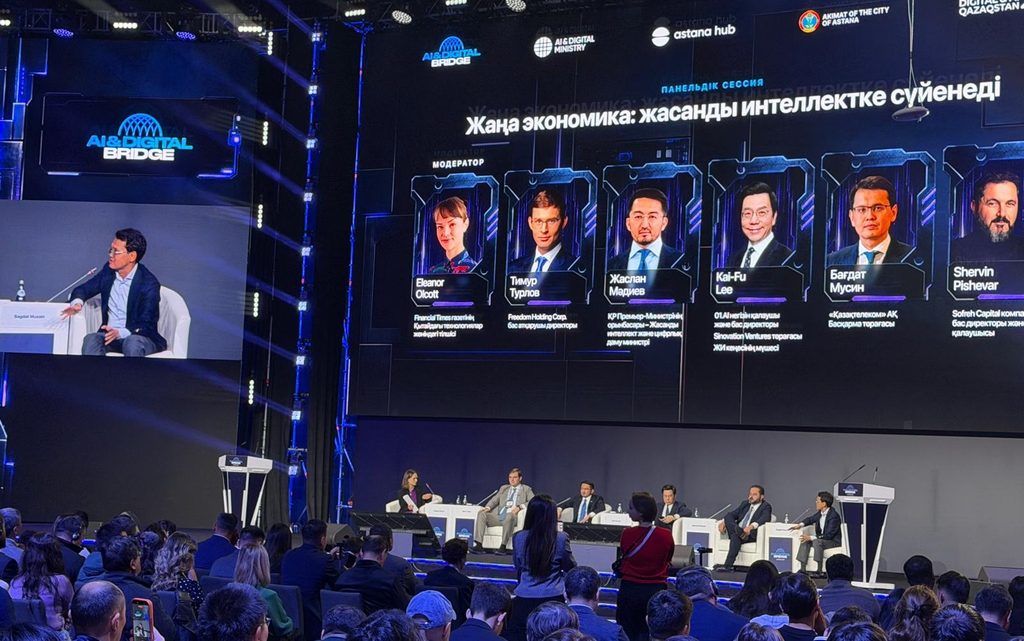
Organizations also need to adapt. During an October 2 panel, Kazakhtelecom’s Bagdat Mussin argued that greater individual productivity through AI would not transform a company if ideas remained trapped in lengthy approval procedures.
His point linked skills development with organizational reform: employees need opportunities to apply new capabilities, and managers need processes that allow useful innovations to reach practice.
Creative industries offer another route. According to the organizers’ official announcement, the film festival received 8,067 submissions from 125 countries, making it the world’s largest international AI film competition by submission count. Twenty-five finalists were selected.
Shestak received $450,000 for the Grand Prix. He said he began directing about four years ago and working with AI two years ago, and planned to invest his winnings in new films.
India’s Abhik Banerjee took second place and $200,000 for “SITARA,” while Spain’s Ernest Desumbila received third place and $100,000 for “Looking For Perseida.”
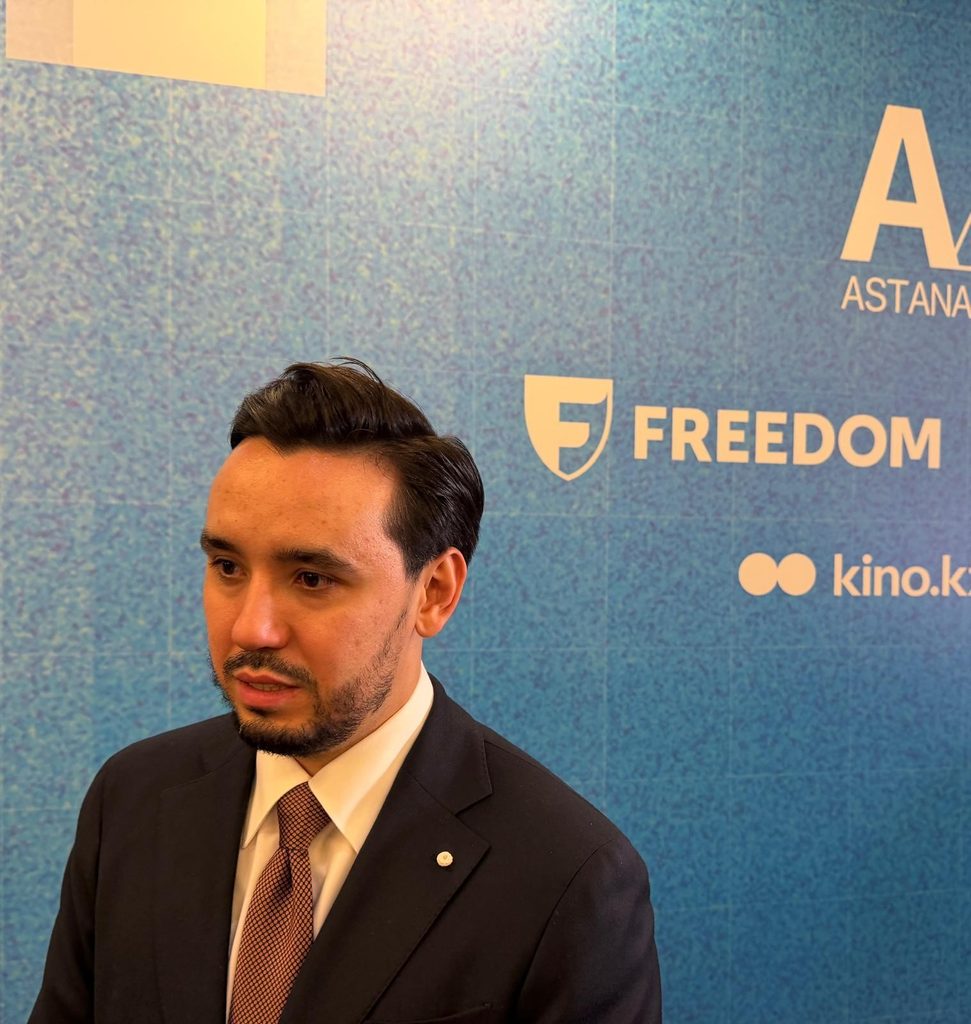
Technical proficiency was only part of the assessment. Festival co-founder and creative director Aizat Kussainov said selection focused primarily on the creators’ vision and the integrity of each work.
That approach places human judgment at the center of technological change. AI can expand production possibilities; shaping those possibilities into meaningful films remains a creative task.
The festival’s $2 million fund combines $1 million in prizes with another $1 million earmarked for investment in promising AI teams and production development in Kazakhstan. Organizers are also developing Mooncast.ai, a distribution platform intended to connect films with audiences beyond individual screenings.
Ilyubayeva linked the festival to attracting creative entrepreneurs and developing AI filmmaking in Kazakhstan. Together, learning, production, distribution and investment could provide a foundation for sustained creative activity.
The initiatives are at different stages, and employment outcomes will remain an important measure of progress. Their shared direction is becoming clearer: expand access to learning, connect skills with work, support businesses and bring creative work to audiences.
President Kassym-Jomart Tokayev has called for technological progress to deliver tangible benefits to every citizen. In Astana, that ambition is taking shape through organizations and encounters connecting people with new possibilities.
Its lasting value will emerge as learners become practitioners, founders build sustainable businesses and creators find audiences for their stories.
This article is brought to you by INPS Japan in collaboration with Soka Gakkai International in consultative status with UN ECOSOC.

INPS Japan
Related articles:
Kazakhstan Seeks to Turn Its Eurasian Geography Into an AI Advantage
Japan’s Ambassador on Deepening Ties With Kazakhstan in Shifting World
Astana: Kazakhstan’s Futuristic Capital Welcomes Japanese Tourists with New Direct Flights in 2026