
By UN Women
As world leaders gather in Antalya for the 31st UN Climate Conference, new UN Women data warns that 1.5 billion women and girls already live in climate hotspots, while climate change could push 141 million more into extreme poverty by 2050.
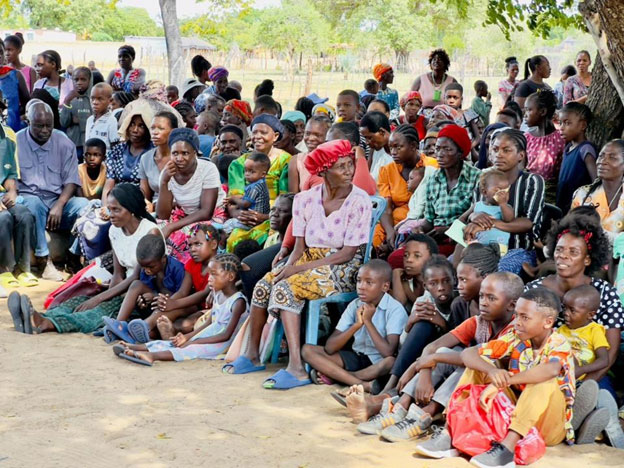
ANTALYA, Türkiye (IPS) – More than one in three women and girls worldwide – at least 1.5 billion – live in climate hotspots, where high exposure to climate hazards, insecure jobs and deep gender inequality collide, according to a new UN Women fact sheet on “Gender Equality in the Age of Climate Crisis”. UN Women warns that while 73 per cent of countries recognize the climate risks facing women and girls, just over one in three address them comprehensively.
“Across the world, women are already leading the fight for a better future – in their communities, in laboratories, in parliaments and on the front lines of the climate crisis. We must give women and girls equal rights, resources and the power to lead, and they will help drive the change our world so urgently needs”, said Sima Bahous, Executive Director of UN Women.
On the current trajectory, the world is headed for a minimum of 1.8°C of heating, unleashing even more devastating droughts, floods, wildfires and cyclones, and creating irreversible loss and damage to communities and ecosystems. New data from UN Women shows that women and girls in the countries least responsible for climate crisis are hit hardest by it, from the food they go without to the violence they face, climate change is affecting every aspect of their lives.
The fact sheet also shows that progress is possible. With the right investments, women could secure up to 66 per cent of net new green jobs, gaining 68 million additional jobs by 2035.
Governments are stepping up; 73 per cent of nationally determined contributions – governments’ self-defined climate action plans – now acknowledge gender-specific climate risks. However, just over one in three addresses them comprehensively.
At COP31, UN Women calls on world leaders to put gender equality and women’s rights at the heart of climate action, to move towards economies that put people and the planet before profits, build resilience for all and advance gender equality. That means guaranteeing the right of all women and girls to a clean, healthy and sustainable environment, protecting the women environmental human rights defenders who risk their lives for their communities and the planet, and giving women and girls real power at the decision-making table.
It means delivering gender-responsive climate finance that reaches women and their organizations, advancing a just transition that redistributes care, and tackling the heightened risks of violence against women and girls as the climate crisis deepens. The new Belém Gender Action Plan must be fully implemented and fully financed, so that political commitments become real change for women and girls on the front line of climate crises.
IPS UN Bureau