
Drawing on her experience of exploitation in restaurants, Patricia Figueroa has built a project that is committed to decent working conditions and environmental friendliness.
By Guillermo Ayala
Mexico City (INPS Japan) – Pastry making is often thought of as an activity where creativity and passion are essential ingredients that cannot be missing from the recipe for any good dessert; however, little is said about the working conditions in this industry, which sometimes involve excessive working hours, low wages, and denied rights.
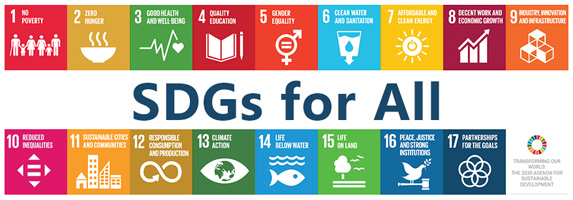
Six years ago, Patricia Figueroa, a pastry chef with more than a decade of experience in haute cuisine restaurants in France and Mexico, embarked on a socio-environmental home-delivery pastry project that is committed to using 100% Mexican ingredients and is governed by principles such as decent work and economic growth, in line with Sustainable Development Goal 8 (SDG 8), as well as responsible production and consumption (SDG 12).
“Ñam was born during the COVID-19 pandemic. I was the pastry chef at a restaurant and they made me sign my resignation. Throughout my working history, I was denied many rights, exploited with long hours, and poorly paid. That made me wonder: Why should something I love so much be like this? If I have the privilege to do something to change it, I’m going to do it,” said Patricia Figueroa.
That experience was the turning point that led her to rethink not only how she produced her goods, but also how she related to her work. When the order load increases, Patricia hires staff under formal arrangements. “I have them sign their contracts and explain everything that has to be done within the law,” she says, as part of her commitment to not reproducing the chain of labor exploitation.
Cakes and pastries with 100% Mexican flavor
The ethical approach of the project is also reflected in its culinary offerings. Ñam offers desserts made to order, which prevents food waste and guarantees freshness. The menu features flavors such as strawberry, white chocolate, and hibiscus cake; pink guava cheesecake with red wine; and mango mousse with basil—combinations that leave a lasting impression on the palate of those who try them.
These creations are complemented by desserts with a strong Mexican identity, such as horchata cake—made with rice, cinnamon, sugar, milk, and water—conceived as an alternative for national holidays in September, or pan de muerto, which is offered during the Day of the Dead season in November.
The bakery’s socio-environmental concept also extends to its relationship with suppliers. Patricia promotes an economic chain based on shared benefits. “I trust my product and the impact it has, so the people who buy from me support me and I support other people; and these mutually beneficial relationships are very good because, in the end, people are going to eat a dessert that tastes delicious and their purchase is making other people happy too,” she explained in an interview with INPS Japan.
Currently, around 70% of the ingredients she uses are agroecological and come from different regions of the country. From Totonacapan, Veracruz, she obtains cinnamon, sesame seeds, and tangerines, while the rice and pink guava she uses to make some of her desserts come from Tlayacapan, Morelos. This direct link with local producers helps strengthen regional economies.
Model of responsible production, consumption, and on-demand manufacturing
In addition to promoting community value chains, Ñam focuses on responsible production and consumption practices, in line with Sustainable Development Goal 12 (SDG 12). The made-to-order model helps reduce food waste, gas and water consumption, and unnecessary use of packaging—a structural problem in the restaurant industry.
According to the United Nations Environment Programme (UNEP) Food Waste Index 2024, 13.4 million tons of food are discarded each year in Mexico, making the country one of the leading generators of waste in the Americas.
The name of the project comes from the expression “ñam,” used in Spanish to describe something that tastes delicious, equivalent to “yummy” in English. Currently, Ñam operates mainly through its website and Instagram, where it promotes both its dessert offerings and the story behind the venture.
Alongside her business in Mexico City, Patricia Figueroa is studying for a Master’s degree in Socio-Environmental Business Administration and plans, in the medium term, to transform her business model into a physical space where people can consume instantly and live by the principles that have guided her project: decent work and responsible production.
This article is brought to you by INPS Japan in partnership with Soka Gakkai International, in consultative status with UN ECOSOC.