

From repression under military dictatorship and exile to serving as editor-in-chief of Inter Press Service (IPS), fostering community media in Afghanistan, and building a network linking 476 universities worldwide, Ricardo Grassi’s journey—and the model he has developed along the way—resonates deeply with the vision of an IPS founder Dr. Roberto Savio: to give a voice to the voiceless and make information a force for social change. It also reflects INPS Japan’s commitment to building a knowledge network that nurtures global citizens, deepens readers’ awareness of the challenges confronting humanity, and inspires concrete action.
By Katsuhiro Asagiri
ROME (INPS Japan) – Ricardo Grassi has spent much of his journalistic career trying to change the subject of the sentence.|JAPANESE|
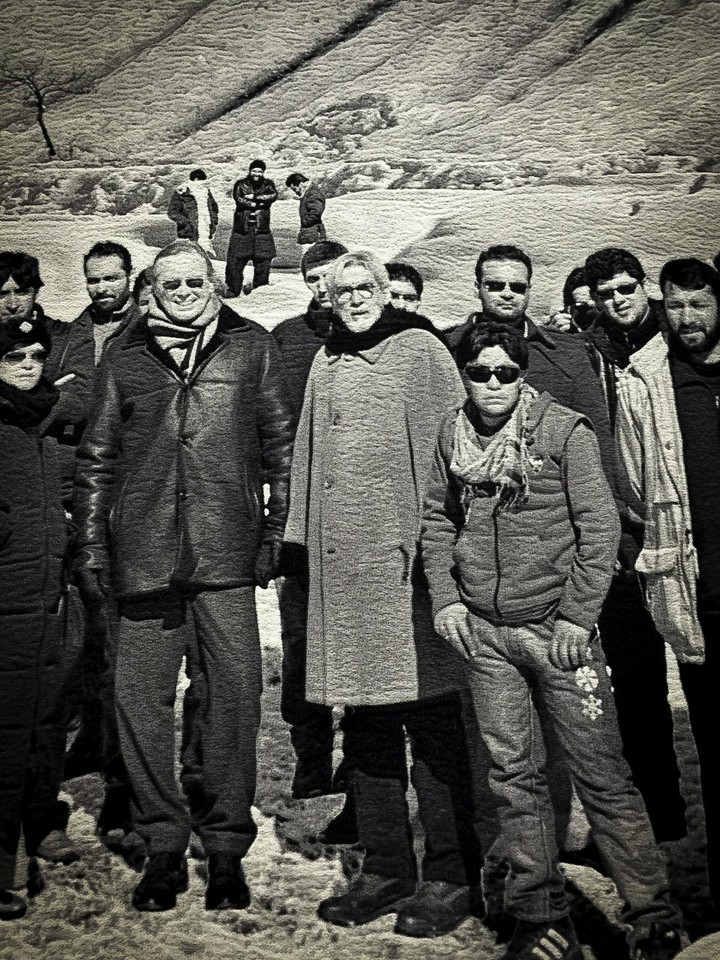
When he began training young journalists in Kabul, many had been taught to report on Afghanistan primarily through the actions of foreign governments, international institutions and aid organizations. At a newsroom meeting, Grassi offered them a different guiding principle.
“From now on, the main actors are Afghanistan and the Afghan people. One day you will understand what that means. For now, just keep it in mind.”
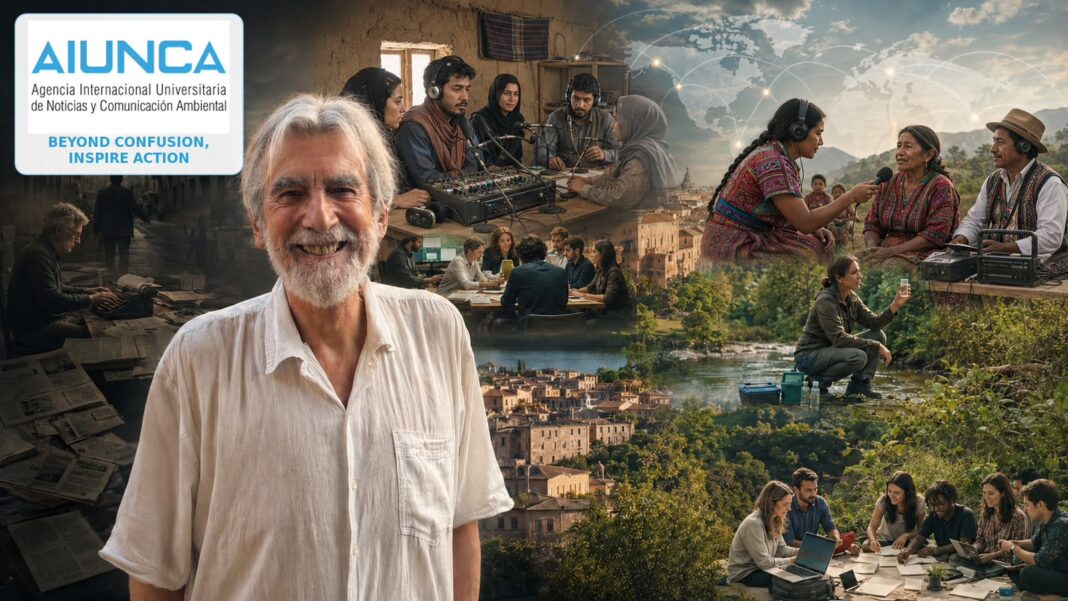
That principle lies at the heart of Grassi’s latest initiative, the International University Agency for Environmental News and Communication (AIUNCA), developed with the support of the United Nations Educational, Scientific and Cultural Organization (UNESCO).
AIUNCA brings together more than 500 media outlets affiliated with 476 universities across Latin America, Italy, Spain and the United Kingdom. Its aim is to build a network that is international in scope yet unmistakably rooted in local communities—a network in which university media, professional journalists, students and communities produce credible reporting grounded in their own languages, cultures and priorities.
AIUNCA, however, is not intended to be merely another news agency. For Grassi, it represents a new model of responsible media designed to confront two failures: the public role abandoned by much of the traditional mass media and the destructive disinformation amplified through social platforms.
Its motto, “Beyond confusion, inspire action,” expresses his conviction that journalism cannot be content merely to describe a world buffeted by climate change, war, inequality and disinformation.

Journalism, he argues, must help people understand what is happening, connect those facing similar challenges, and create the conditions in which knowledge can lead to dialogue and action.
That conviction was formed long before the internet, in an era when speaking out could put one’s life at risk.
“Everyone in my generation grew up under a succession of dictatorships,” Grassi said, recalling his youth under the Argentine military governments between 1966 and 1973, particularly the regime of General Juan Carlos Onganía. “While Europe and the United States had hippies, we had a military dictatorship.”
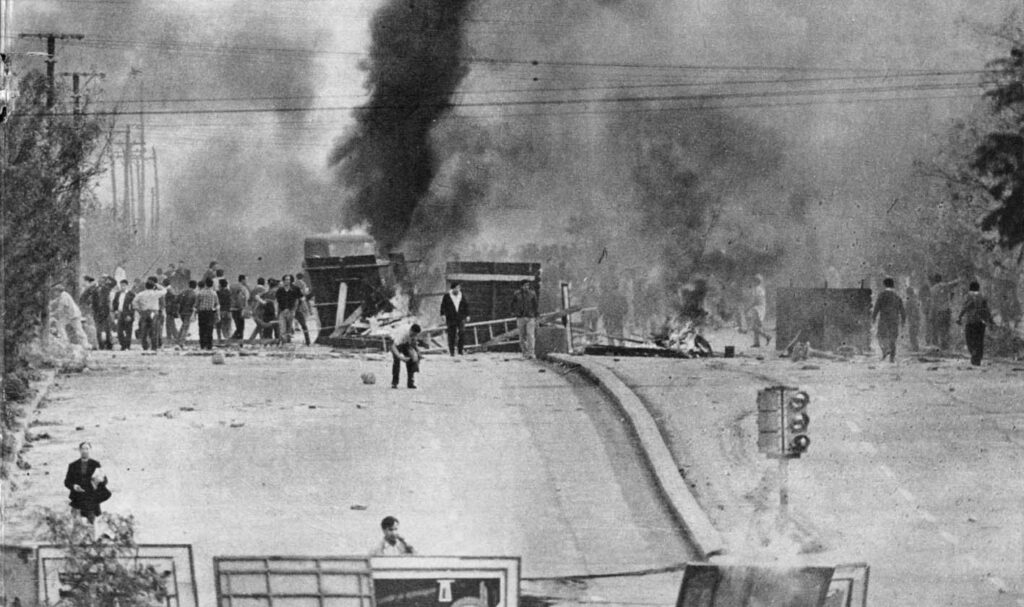
After finishing secondary school, Grassi began working as a journalist while attending university. He had a natural gift for language and writing, but journalism also offered him a way to engage with the upheavals shaking society.
Political repression, poverty, the Cuban Revolution and the rise of liberation theology were transforming Latin America. Grassi worked in impoverished communities and helped residents organize, while keeping his political activism separate from his work in the journalists’ union.
Through these experiences, he began to define whom journalism should serve.
“Those of us who are privileged have an obligation to serve others,” he said.
Journalism, Grassi came to believe, should do more than chronicle the activities of those who already possess power. It should engage more deeply with people facing hardship and with fundamental human values.
Working under military rule also taught him how to write between the lines—to suggest what could not be stated openly and to recognize facts that had been deliberately concealed.

As Argentina moved toward elections and the political return of Peronism, Grassi became widely known after interviewing former president Juan Domingo Perón twice in Madrid.
Following the restoration of civilian government, he was asked to launch and edit a political weekly. He accepted on one condition: it would not become what he called “a boring left-wing newspaper.”
He wanted a publication that was thoroughly journalistic, visually compelling and written by professional reporters rather than propagandists.
The weekly became one of Argentina’s most widely read magazines. Its success, however, also made Grassi increasingly visible.
When the military seized power in March 1976, he went underground. Unable to work publicly, he earned a living making wooden toys. Meanwhile, people he knew were detained, killed or “disappeared.” Familiar names appeared in the newspapers with agonizing regularity.

On 4 June 1977, Grassi escaped from Argentina.
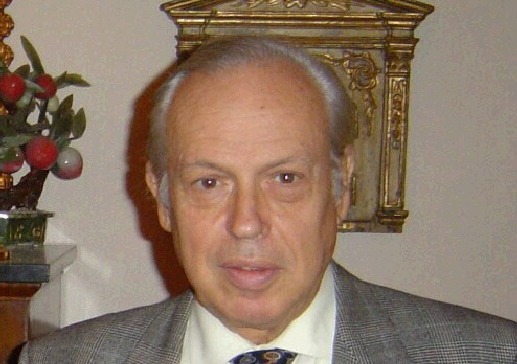
On his way into exile in Europe, he encountered Inter Press Service (IPS), the international news agency founded by Roberto Savio and Argentine journalist Pablo Piacentini.
Grassi arrived in Rome, where IPS was headquartered, in early 1978. He initially edited stories in Spanish and English, later becoming editor-in-chief. He travelled throughout the IPS network and was particularly involved in developing regional news services in Central America.
For Grassi, IPS was more than an employer. It was “a school of thought.” His political and journalistic experience in Argentina had already taught him to seek out the voices of people who were overlooked. IPS gave him the opportunity to develop that instinct within a systematic international framework.
Developing countries, he learned, should not be portrayed merely as the backdrop to stories in which wealthy nations play the leading roles. Their people, institutions and conflicts must be reported from within the lived realities of their own societies.
At IPS, Grassi also developed another perspective that would become central to his later work: the distinction between information and communication. Information can be produced and transmitted in one direction. Communication, by contrast, requires exchange, participation and relationships among people.
After leaving IPS in the mid-1980s, Grassi organized communication networks across Africa and Latin America, connecting local journalists, newspapers, research institutions and cultural organizations. At the time, the internet that would later make such exchanges easier did not yet exist.
This approach later shaped his work in Afghanistan.
Grassi first visited the country in 2003 to evaluate several European Commission-supported media projects and recommend policies for the sector. He subsequently contributed to the development of Pajhwok Afghan News and worked with Afghan media organizations, including the Killid Group, civil society organizations and UNESCO’s Kabul office.
“The central question was who would be the subject—the principal actor,” he said.
Grassi did not want to establish an institution that would be permanently managed by foreigners. His goal was to train Afghan journalists so that they could eventually run it entirely themselves. International assistance, in his view, should ultimately make itself unnecessary.
His experience in Afghanistan also deepened his scepticism toward foreign experts who arrived carrying ready-made models.
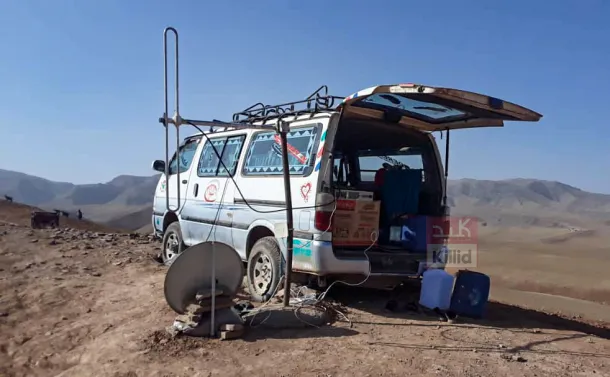
“You cannot simply transplant a model of journalism developed in London or Washington. Reporting must reflect local forms of communication, social relationships and ways of understanding the world.”
Those differences are evident even in pronunciation. The Pashto spoken in Kandahar differs from that spoken in Nangarhar, just as the Dari of Mazar-i-Sharif differs from the Dari of Kabul.
Killid’s regional radio stations earned trust because listeners regarded them as “our radio station.” They spoke in familiar voices and reported local realities while also connecting audiences with other parts of the country.
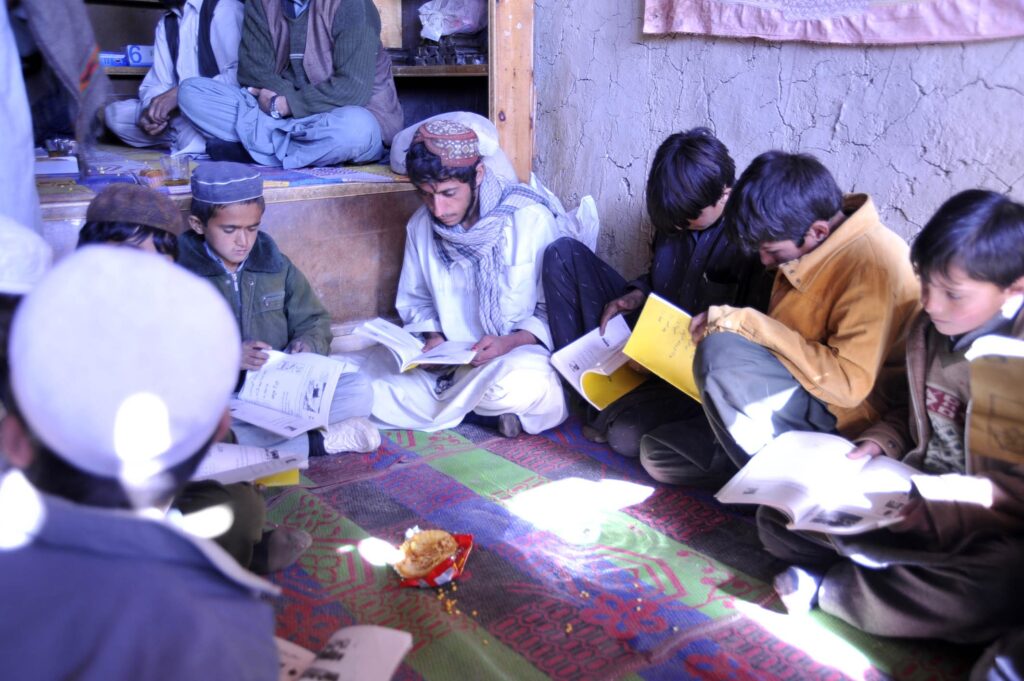
In another initiative, Pajhwok reading groups travelled from village to village, reading news and public information aloud at community gatherings. In areas with limited literacy and little access to conventional media, they provided an essential information service.
Grassi also sought to connect journalists with civil society organizations because, he believed, the two sides often distrusted one another and failed to engage as they should.
Civil society organizations tend to communicate through abstract themes and institutional statements, while journalists seek people, events and stories. Yet credible local organizations often possess information that no one else has.
For Grassi, connecting the two meant broadening journalists’ sources while preserving their professional independence.
“A journalist must remain a journalist,” he said. Cooperation with civil society, universities and religious organizations must never become propaganda. “The moment you begin producing propaganda, you betray the trust of your audience. Readers recognize it immediately.”
In 2014, Grassi and his colleagues established the non-profit IPS Academy (IPSA) to carry forward the IPS tradition through training and media development.
One initiative to emerge from IPSA was CitiPlat, the Citizens’ Platform on Climate Change and a Sustainable World. The idea partly originated in a presentation Grassi prepared for a symposium in Tokyo on the role of citizens in sustainable development. He concluded that citizens could not participate meaningfully in sustainable development without media capable of translating global problems into understandable, locally relevant information.
Grassi argues that dominant media debates remain confined to “the usual faces,” excluding most of the world’s population. CitiPlat was formally launched as an international programme in 2019 with the support of UNESCO’s Communication and Information and Natural Sciences sectors. It has worked to build an international information network that counters climate disinformation and makes citizen-led solutions visible. UNESCO has also highlighted on its official website an initiative proposed by Grassi at COP27 that emphasized scientific data and collaboration with civil society rather than pessimism.
Its motto—now also adopted by AIUNCA—“Beyond confusion, inspire action,” responded to two interconnected crises. The first was the decline of journalism as a public service. The second was the unchecked spread of disinformation across an endless digital landscape, leaving individuals without reliable means of deciding whom to trust.

CitiPlat therefore chose not to focus exclusively on catastrophe.

Around the world, individuals and communities are protecting lives, solving problems, and acting with a realistic understanding of what they can and cannot achieve. CitiPlat aims to report on thousands of such initiatives and share the lessons they offer in order to inspire others to act. INPS Japan’s SDGs for All media project follows a similar reporting approach, with the aim of nurturing global citizens.
The model was decentralized from the outset. Rather than create a huge headquarters from which to manage the entire world, CitiPlat sought to build locally rooted platforms in different regions.
“Unless the production and dissemination of information are rooted locally, they will never reach people,” Grassi explained. Languages, forms of expression and local priorities differ from one place to another.
One example of this principle in practice is “community storytelling” in Afghanistan. Five areas were initially selected, and Integrity Watch Afghanistan, a local civil society partner, chose and trained residents to report their own experiences. According to Grassi, the organization reached an agreement with the Taliban authorities that allowed women to participate as community reporters.
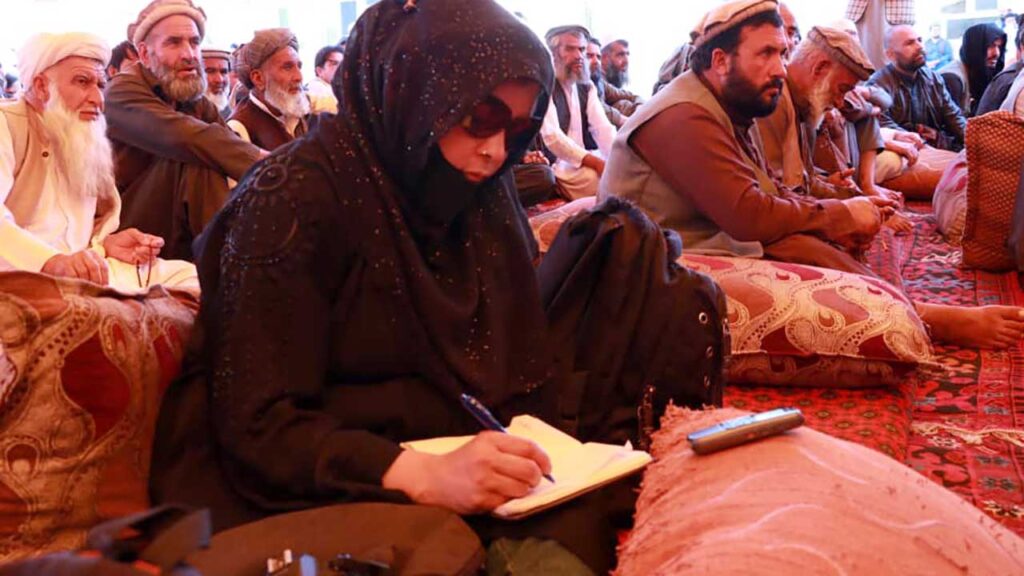
The goal was not for professional journalists to visit occasionally and report from the community. It was to equip community members themselves with the skills to tell their stories and exchange experiences with others facing similar challenges.
AIUNCA seeks to extend this principle through universities.
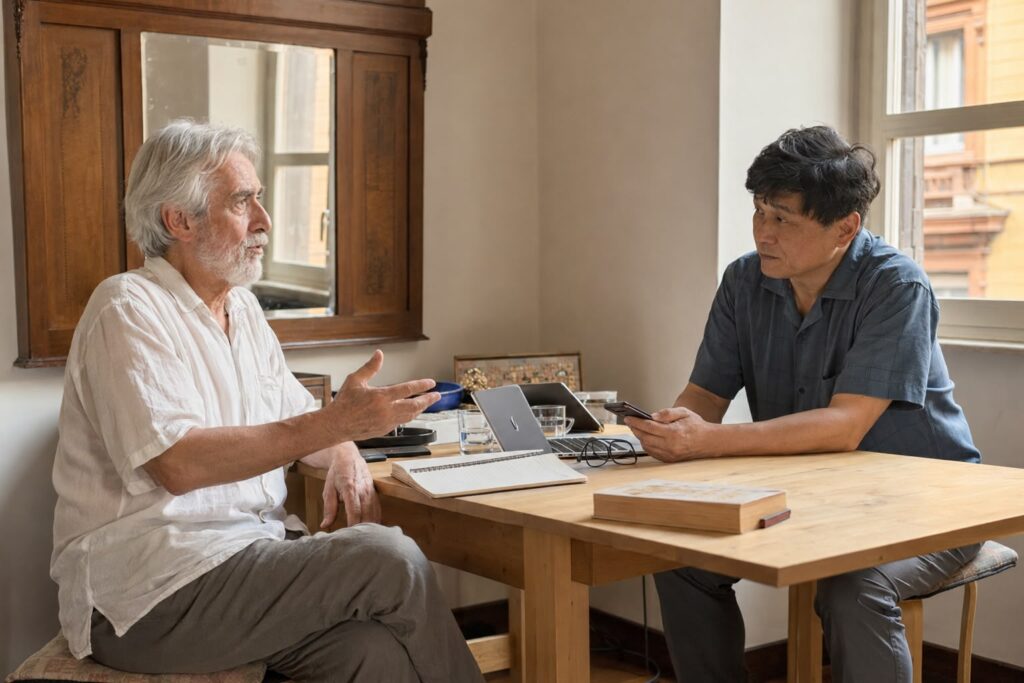
Universities already exist in cities and regions throughout the world. They are relatively stable institutions that preserve and generate knowledge while educating young people who may become future decision-makers. Many already operate radio stations, television channels, websites and social media platforms.
Much of the basic infrastructure is therefore already in place. What is needed, Grassi argues, is coordination, purpose-built training, shared editorial guidelines and mechanisms linking university media with their surrounding communities.
There is also an enormous resource that remains largely unused: the vast body of academic research that accumulates without ever reaching the wider public.
“There is a great divide between research and the communication of that research,” he said.
AIUNCA proposes that professional journalists “translate” this research. This does not merely mean translating from one language into another. It means transforming specialized academic expression into journalism that is accurate and accessible.
Each participating university media outlet would retain its own language, forms of expression and editorial emphasis on local issues. At the same time, members would follow a shared editorial plan, conduct joint reporting projects and exchange stories internationally.
The model draws on Grassi’s experience with regional radio stations in Afghanistan. Each station belonged to a wider network while remaining distinctly local because it reflected the language, pronunciation and priorities of its community.
AIUNCA applies the same principle internationally: a connected global movement that does not erase local identity.
Universities can also become spaces for inclusive public dialogue, bringing together researchers, students, journalists, businesses, politicians, civil society organizations, local communities and Indigenous peoples. Such communities need not wait for outside reporters to visit and interpret their experiences. With basic journalistic training and access to university media networks, they can become the authors and communicators of their own stories.
AIUNCA was made possible through cooperation between IPSA/CitiPlat and Argentina’s National University Arturo Jauretche, the university’s links with a network of Ibero-American universities, and UNESCO’s active participation.
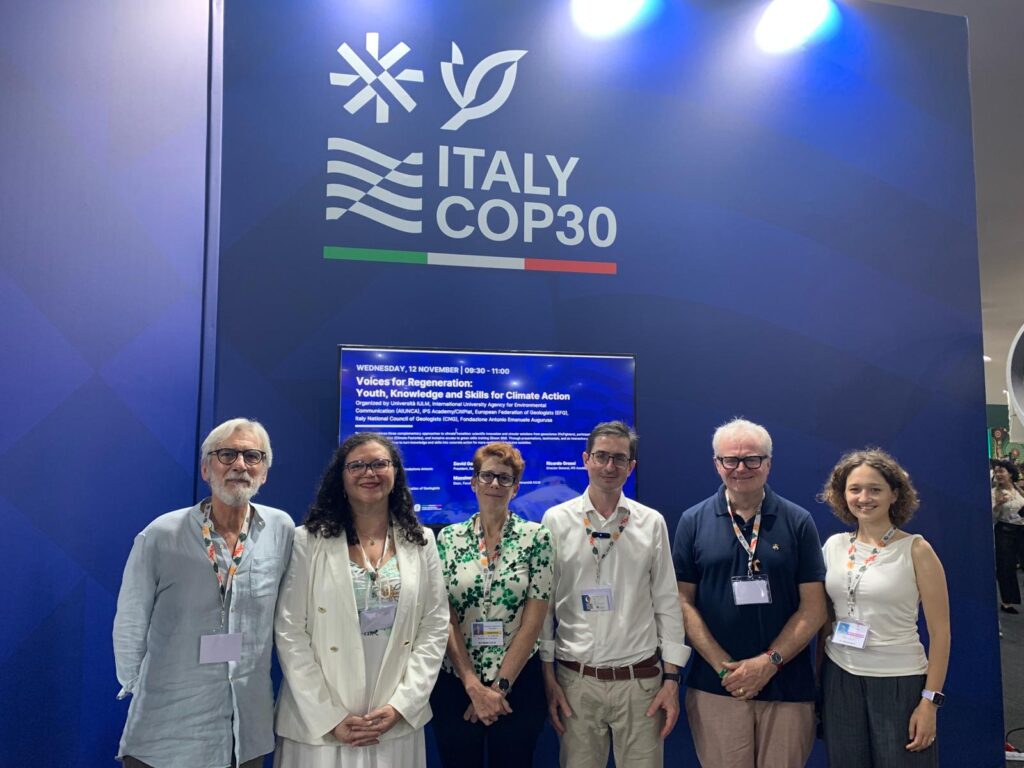
In November 2025, only five months after its launch, AIUNCA was presented as a new media model at the 30th Conference of the Parties to the United Nations Framework Convention on Climate Change (COP30) in Belém, Brazil.
“It was made possible by the dedicated academic researchers, specialist journalists, committed AIUNCA members and outstanding management team who had supported its development since early 2023,” Grassi said.
At COP30, AIUNCA presented research into the origins of climate disinformation in Latin America, a prototype system called Factora AI designed to detect disinformation in real time, and a communication strategy promoting the ethical use of algorithms and artificial intelligence.
These initiatives were made possible with the support of the Global Fund for Information Integrity on Climate Change, established by the Government of Brazil, the United Nations Secretariat and UNESCO.
AIUNCA’s focus on environmental issues does not mean treating climate change in isolation.
“It concerns the whole question of sustainable development. But it is also about peace and war,” Grassi said.
Climate change, poverty, health, education, employment, conflict and forced displacement overlap in people’s lives.
In communities struggling to secure food, healthcare and employment, climate change can appear to be a distant future concern. Journalism has a responsibility to show how it is connected to present realities.

Grassi is equally pragmatic about the technologies transforming journalism. Media committed to the public interest, he believes, must not turn their backs on social media, algorithms or AI, but learn how to use them effectively.
He regards AI as “a highly capable assistant” because it can search documents, compare information and save hours of work. But he draws a clear line between receiving assistance and surrendering one’s judgment.
“The danger is that you hand your soul over to artificial intelligence. Then you stop thinking and you stop learning.”
The responsibility for asking questions, verifying evidence, exercising judgment and determining the final expression must remain with the journalist. Grassi warns that AI-generated prose too often transforms an individual voice into writing that is smooth but lifeless and flat.
His view of objectivity in journalism is equally direct.
“What matters is not objectivity. Objectivity is a myth created to manipulate people. What matters is honesty.”
Journalists inevitably see the world from a particular standpoint. A commitment to peace, human rights and environmental justice is itself a choice. What is required is transparency about that standpoint, together with a commitment to ensuring that information is verified, accurate and reported fairly.
This philosophy resonates deeply with the work of INPS Japan.

Through its long-running SDGs for All media project with Soka Gakkai International (SGI), INPS Japan has sought to build a “knowledge infrastructure” that uses analytical journalism to explain not only what is happening but also the background, the human consequences and the connections with the Sustainable Development Goals.
Stories are organized by SDG and linked to related reporting. They are presented as accessible points of entry into issues that might otherwise appear abstract, overwhelming and impossibly complex.
The intended reader is not merely a consumer of information, but a future global citizen guided by a spirit of empathy—capable of recognizing injustice and transforming awareness into action.
AIUNCA has the potential to provide complementary reporting that is locally produced and grounded in academic knowledge.
INPS Japan could edit these stories for international audiences, translate them into Japanese and other Asian languages, and place them within a broader knowledge database connecting environmental issues with peace, human rights and sustainable development.
No formal partnership has yet been established. But this dialogue has revealed a natural first step: introducing Grassi’s journey and the thinking that led to the creation of CitiPlat and AIUNCA.
Beyond that lies the possibility of jointly producing and more widely disseminating stories from communities around the world that rarely have opportunities to cross national or linguistic boundaries.
Grassi calls this approach “convergence”—cooperation rather than competition for attention or aid funding. He put the idea into practice in Afghanistan by establishing the Afghan Media Consortium with local partners.
“Through joint production and distribution, we were able to optimize costs, increase social impact and strengthen the visibility of the participating media,” he explained.
In this spirit, AIUNCA is working to expand its network. Those it hopes to engage include Professor Jeffrey Sachs, who leads the UN Sustainable Development Solutions Network (SDSN), linking roughly 2,000 universities and research institutions worldwide; the media network of the Latin American Episcopal Council; community media organizations on every continent; and the World Wide Fund for Nature.
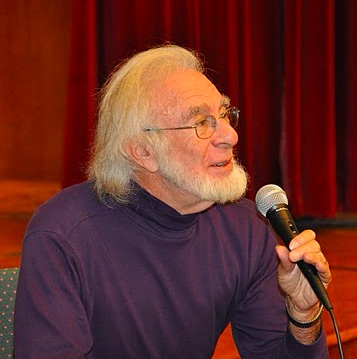
Grassi recalled a conversation with David Adams, a U.S. peace activist who was involved in the United Nations’ Culture of Peace initiative.
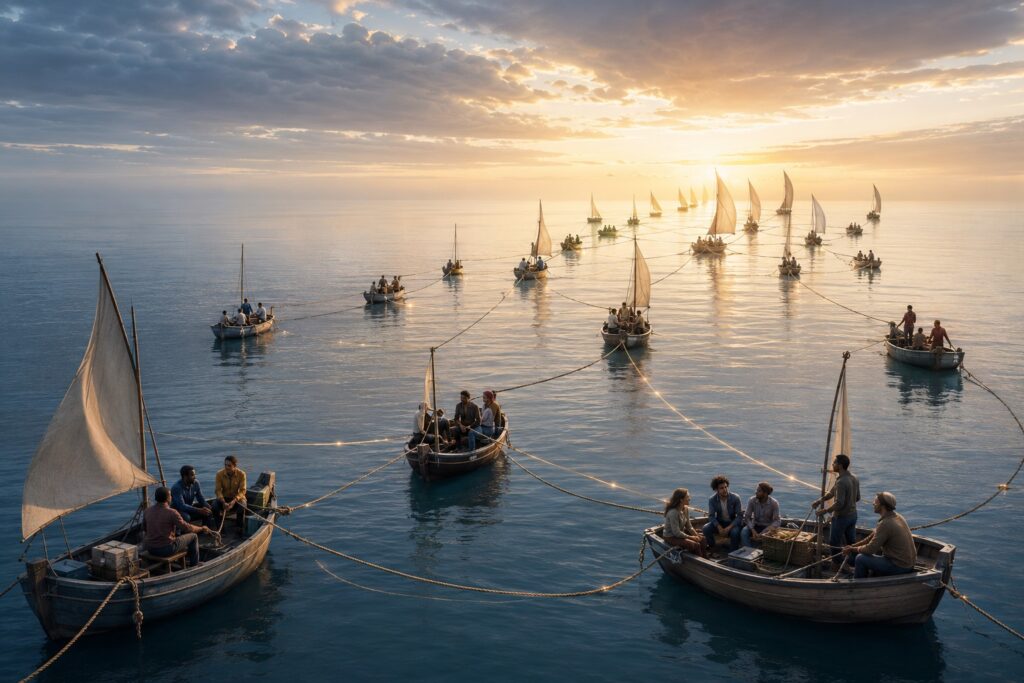
Adams compared organizations working for peace around the world to boats scattered across the sea.
Connecting them, he said, is like giving those boats sails.
The wind may not be blowing yet. But one day it will begin to blow. When it does, the boats will be ready to move in the direction of peace.
AIUNCA is Grassi’s attempt to connect those boats before the wind begins to rise.
INPS Japan