
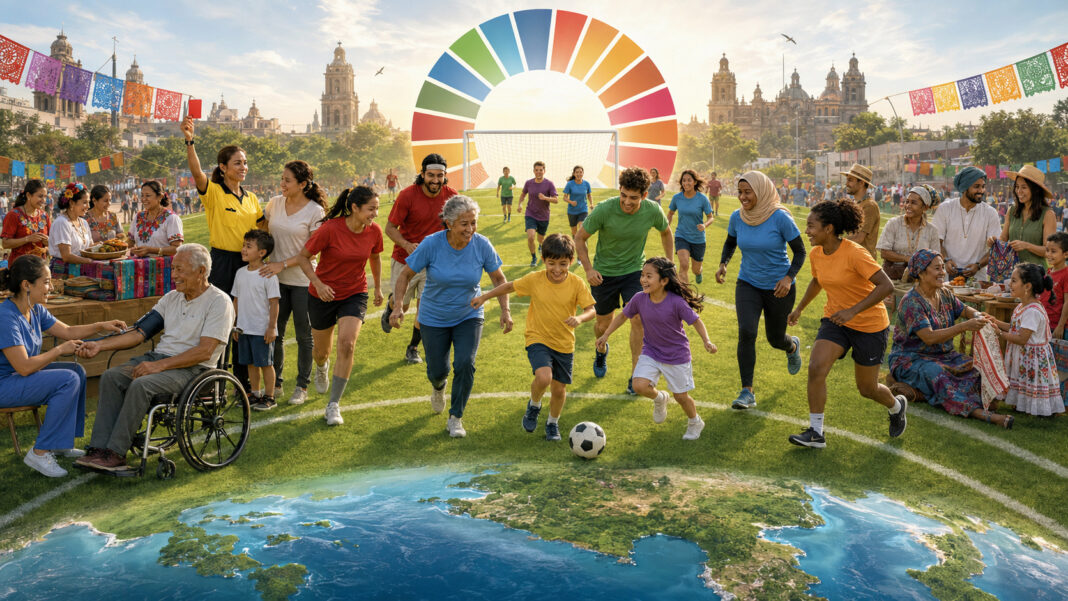
There is another game being played every day, in which victory belongs not to a single country but to all of humanity: The goal of this game is to build societies that are more just, healthy, equitable, and sustainable.
【Mexico City INPS Japan=Guillermo Ayala Alanis】
Football is the most-watched sport on the planet. More than 3.5 billion of people make it the world’s greatest sporting spectacle and a language capable of crossing borders, cultures, and languages. In 2026, the North American region (Canada, Mexico and the United States) hosted the FIFA World Cup, a tournament that captured the attention of millions of people both inside and outside the stadiums.|JAPANESE|SPANISH|THAI|
On a football field, two opposing teams seek to prevail through strategy, discipline, and teamwork. In the end, the score will determine the winner. But there is another game that is played every day; the field is our planet, and victory belongs not to a single country, but to all of humanity: The goal of this game is to build societies that are more just, healthy, equitable, and sustainable.
With that idea as a starting point, the United Nations Office in Mexico, in coordination with the Mexico City government, organized Aldea Global 2026, an event where the World Cup atmosphere coexisted with the Sustainable Development Goals (SDGs).
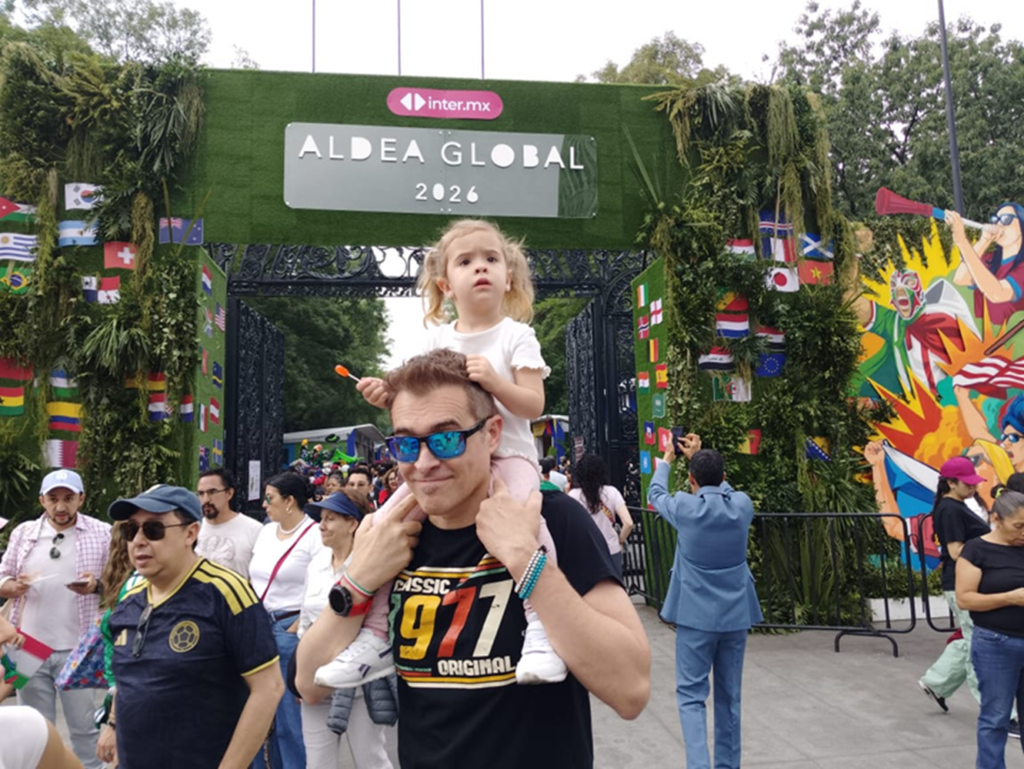
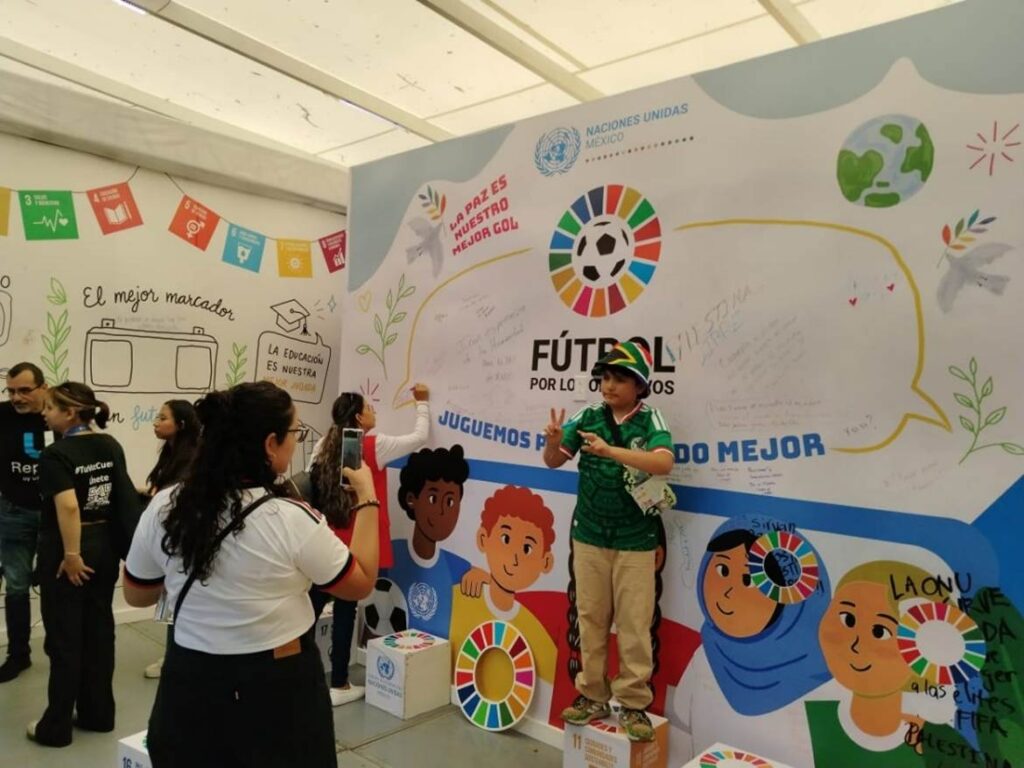
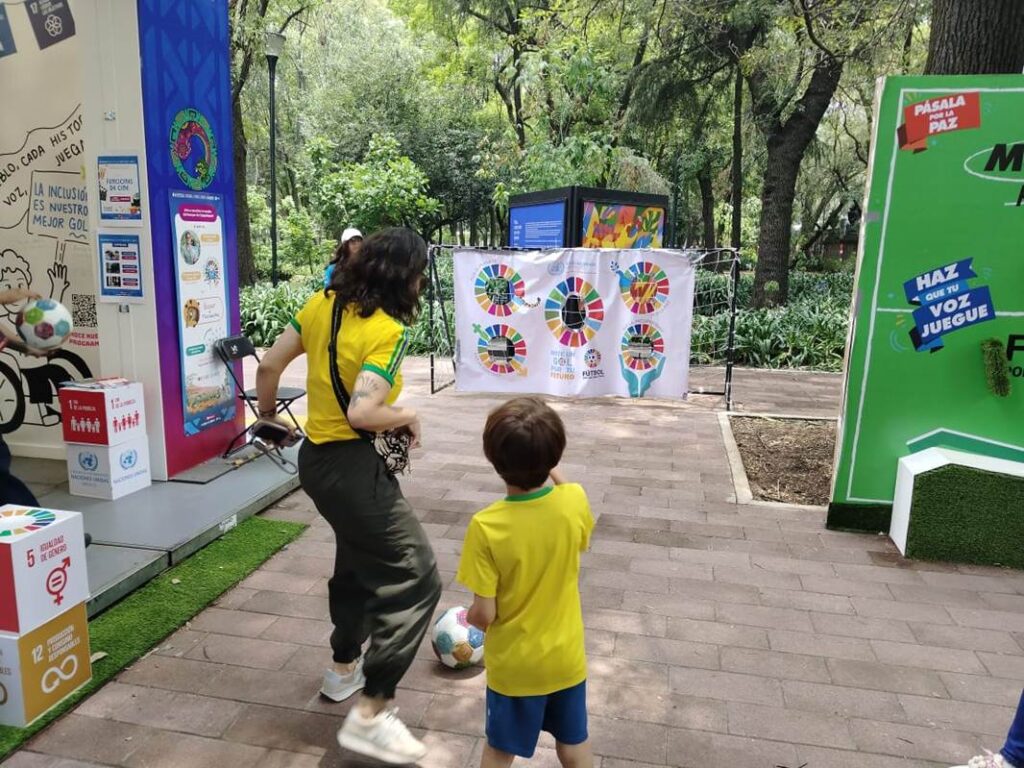
At the event, more than 30 countries showcased aspects of their culture through their cuisine, traditional costumes, tourism, traditions, and scents. In addition, 15 United Nations agencies, funds, and programs—including UNHCR, FAO, UN Women, UNESCO, and UNICEF—organized various activities for the nearly three million attendees who gathered during the event. Some of these activities were inspired by the SDGs. Among them was the participatory mural “Goals for the Future” a space where thousands of visitors wrote messages in support of the SDGs and took a symbolic penalty kick for peace and equality as part of the “Football for the Goals” program—an initiative that leverages soccer’s global reach to engage the soccer community and encourage collaboration in support of the SDGs.
A Red Card Against Child Trafficking and Exploitation: SDGs 8, 5, 16
Identifying a potential victim and reporting a suspicion can prevent a person from continuing to be exploited. The crime of human trafficking often goes unreported and particularly affects children and adolescents, said Fernanda Ruiz, representative of the United Nations Office on Drugs and Crime in Mexico (UNODC), who also noted that in the fight against human trafficking, any citizen can become an advocate by helping to foster an environment of peace, justice, and strong institutions (SDG 16) alongside gender equality (SDG 5).
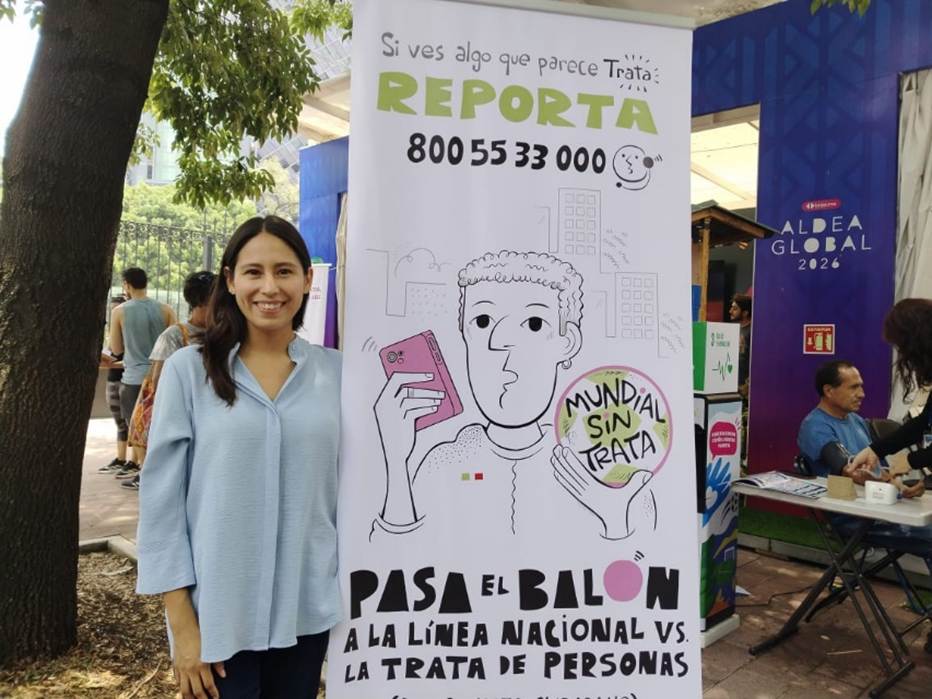
The expert emphasized that, due to its geographic location, Mexico is a country of origin, transit, and destination for this crime, where the forms of exploitation primarily include sexual exploitation and forced labor.
For this reason, one of the strategies is to inform the public about possible warning signs: people who do not have control over their documents, who show fear, who have someone else making decisions for them, or situations that seem out of the ordinary during a trip.
“The message is that we can pass the ball. Perhaps as citizens we don’t know exactly what constitutes a crime, but we can identify a suspicious situation and refer it to specialized agencies,” Ruiz explained.
According to UNODC’s 2024 Global Report on Trafficking in Persons, women and girls account for the majority of identified victims.
A Silent Enemy: Hypertension (SDG 3)
Knowing your blood pressure is practically like winning the game before the opening whistle. The Pan American Health Organization (PAHO) participated in Aldea Global 2026 with initiatives focused on the prevention of chronic diseases.
Alied Bencomo, a PAHO consultant, explained that high blood pressure is one of the main risk factors for cardiovascular and cerebrovascular diseases, and that Sustainable Development Goal (SDG 3)—Good Health and Well-being—aims to prevent premature morbidity. “High blood pressure is a silent disease. If you get diagnosed early, high blood pressure is a gift—you’re giving yourself years of quality life,” she said while taking visitors’ blood pressure readings.
Mr. Ricardo Pérez Osorio highlighted the importance of activities such as blood pressure screenings at Aldea Global 2026 because they can help raise awareness about the importance of care and prevention. “I have high blood pressure and wanted to see how I was doing, but it’s under control, and I check my blood pressure every day,” he said.
According to official data, Mexico faces an overweight problem that affects 70% of the population, and nearly one-third of the country suffers from obesity. This condition is primarily associated with diabetes and cardiovascular diseases like hypertension, as well as bone and muscle disorders and certain types of cancer.
Hydration was also a recurring theme in the promotion of SDG 3, given the large crowds and high temperatures typical of the summer season in Mexico City. “It’s important to be vigilant about heatstroke and dehydration, especially among older adults and children under five. Sometimes we underestimate the risk for adults and fail to realize that a child is becoming dehydrated, which can be life-threatening—heatstroke can be fatal,” emphasized Alied Bencomo.
Football also Promotes Diversity
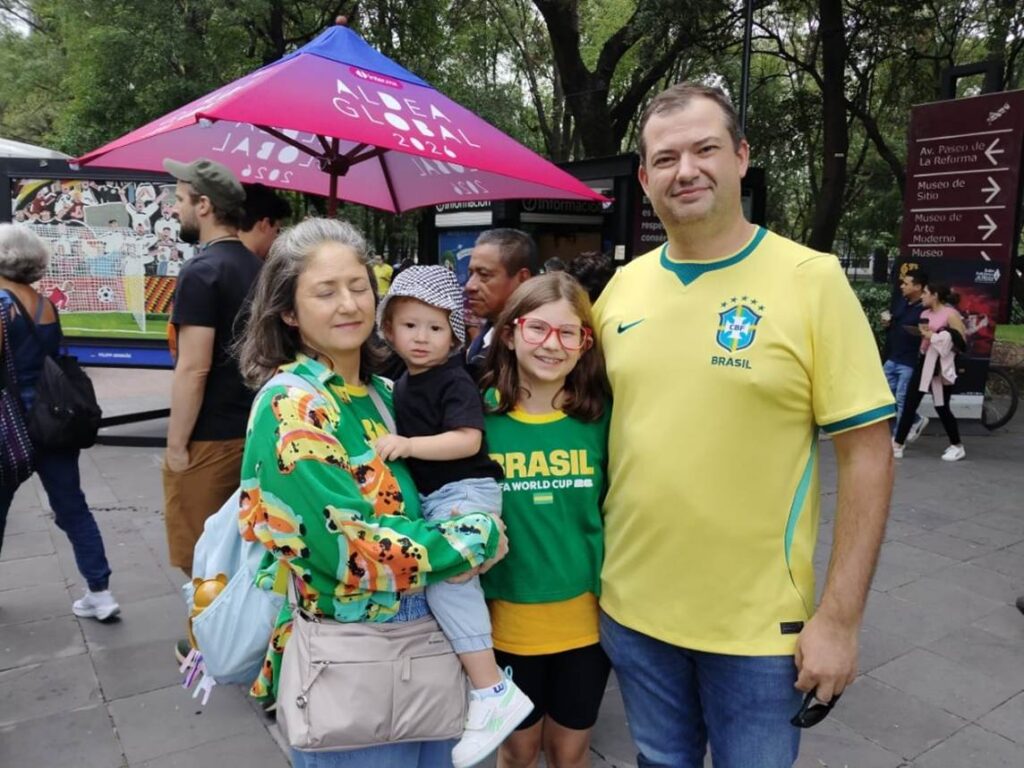
Cultural exchange provided an opportunity to broaden one’s perspective on the world. Fabio Garcia, a Brazilian who has been living in Mexico for three years, emphasized that engaging with other cultures is especially helpful for younger generations.
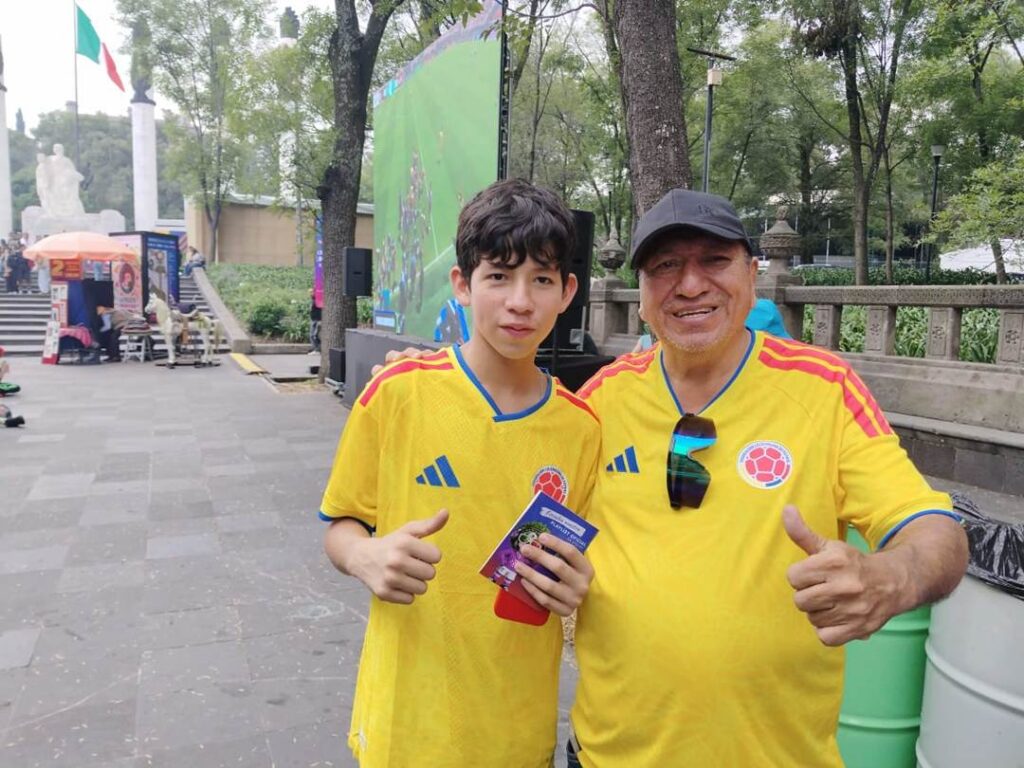
“We live in a very diverse world, and learning a little more about other cultures gives us a much broader perspective, helping us to be less prejudiced,” he said. Meanwhile, Raúl Gallego, who traveled with eight family members from Cali, Colombia, to watch his national team play at the stadium in Mexico City, enjoyed the camaraderie among people from many different countries who gathered for the event and noted that what he liked most was the hospitality.
This game doesn’t end with the final whistle at the 90-minute mark. Every action taken in the name of equality, health, peace, and sustainable development adds to humanity’s score. Aldea Global 2026 demonstrated that soccer can also serve as a bridge to promote human rights and international cooperation. Because on the field of the Sustainable Development Goals, there are no rivals: we’re all on the same team, and the only championship worth winning is that of a better world.

INPS Japan