

By Katsuhiro Asagiri

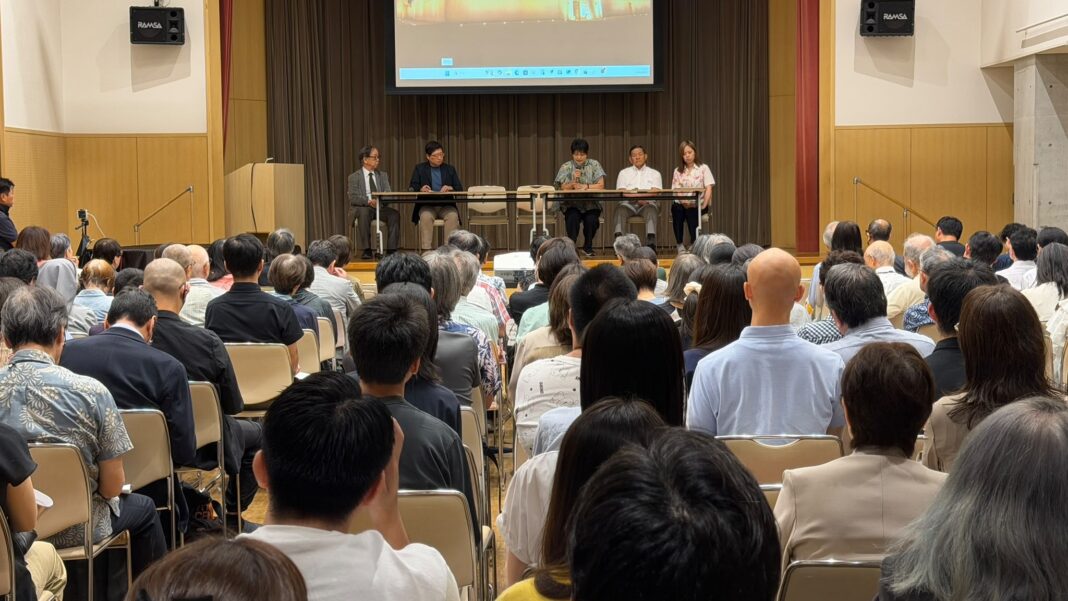
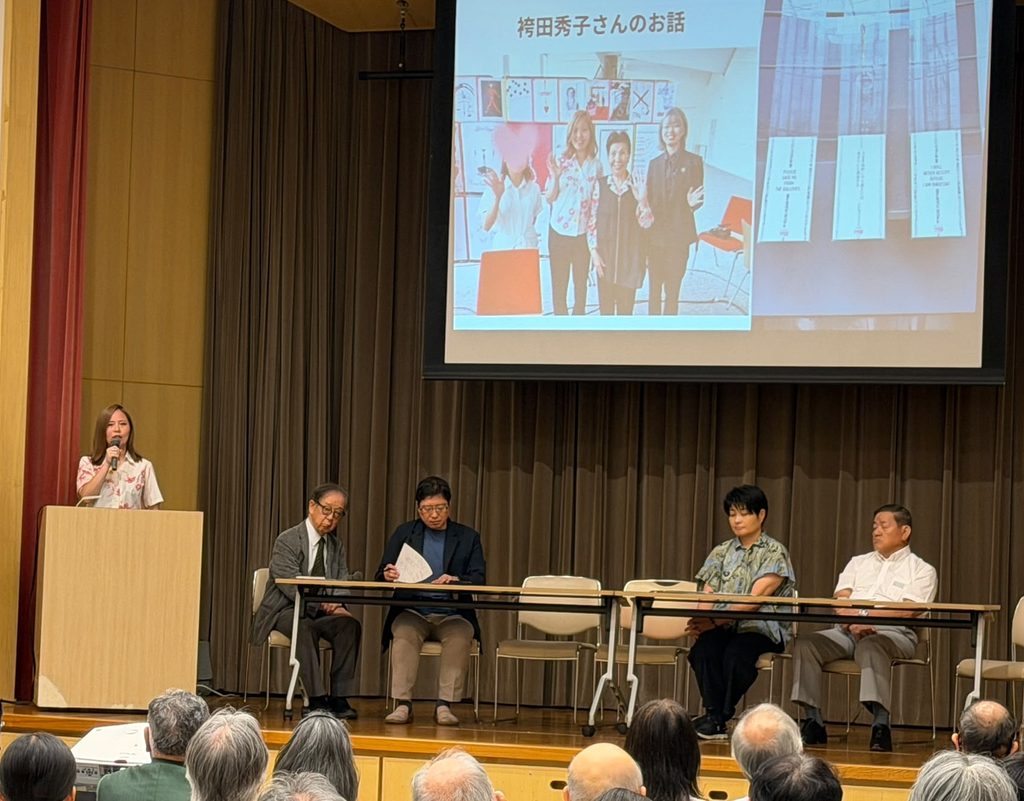
TOKYO (INPS Japan) — A symposium examining Japan’s death penalty through the lens of human dignity was held on September 5 at Joseph Hall of St. Ignatius Church in Yotsuya, Tokyo.|JAPANESE|ARABIC|CHINESE|
Titled “Rethinking the Death Penalty: With Human Dignity in View,” the symposium was organized by the Association of Religious Leaders and Scholars Considering the Death Penalty and co-organized by the Institute for Death and Life Studies and Social Coexistence.
It was supported by eight organizations: the Jesuit Social Center, the Conference on Religion in the Modern World (CORMOS), the Japan Buddhist Federation, the International Institute for the Study of Religions, the Sophia University Institute of Grief Care, the Japanese Committee of the World Conference of Religions for Peace (WCRP), the Soka Gakkai Peace Committee, and the Institute of Engaged Buddhism.
The gathering brought together legal scholars, journalists, a bereaved family member, a former prison officer, younger participants and religious figures, each approaching Japan’s death penalty from a different experience and perspective.
Religious studies scholar Susumu Shimazono stressed that the purpose was not to decide whether capital punishment should be abolished, but to listen and learn.
The questions extended beyond punishment: how to support victims, prevent wrongful convictions and violence, and hold institutions accountable for decisions over life and death.
The international picture is mixed. Amnesty International reported that 145 countries had abolished capital punishment in law or practice by the end of 2025. Yet recorded executions rose to at least 2,707 that year, excluding unverified totals from China, North Korea and Vietnam.
Japan’s Justice Ministry has defended retention by citing public opinion and serious crime. But public support and justification under human rights principles are different questions.
Safeguards Before Irreversible Punishment
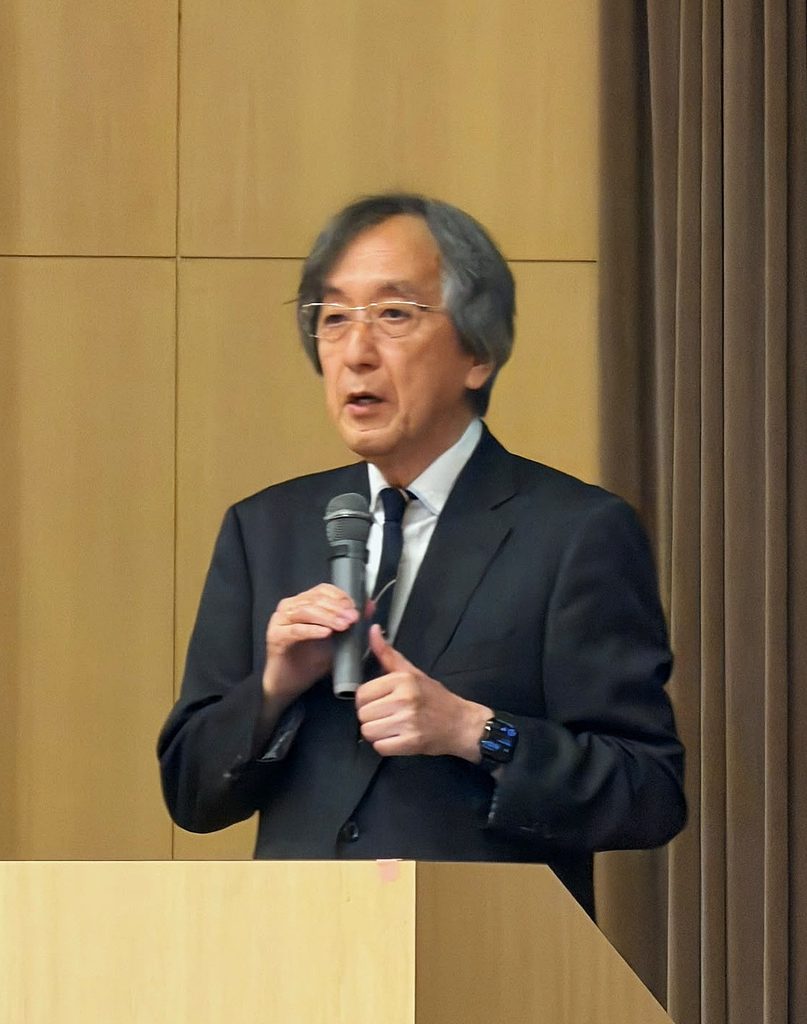
Criminal law scholar Ryo Ida questioned whether Japan had adequately examined its system’s legal and constitutional foundations. He highlighted the combination of decades on death row and notification of execution only on the day it takes place.
He also distinguished wrongful convictions from sentencing errors: even where guilt is established, overlooked mitigating circumstances may lead to death rather than life imprisonment.
He also expressed his view that hanging constitutes cruel punishment under Japan’s Constitution.
“Immediate abolition of the death penalty is not the only option,” he said.
Stronger safeguards, reviewing execution methods and temporarily suspending executions were possible steps. Ida argued that victims’ demands for punishment could not themselves justify capital punishment, while acknowledging their grief and anger.
Deterrence required equal caution. A 2012 U.S. National Research Council review found that the studies it examined could not establish whether capital punishment increased, reduced or had no effect on homicide rates. That was not proof of no effect.
Ida nevertheless urged that public fears be taken seriously. Reform must address organized crime and reoffending, rather than simply replace one punishment with another.
The Human Cost of Execution
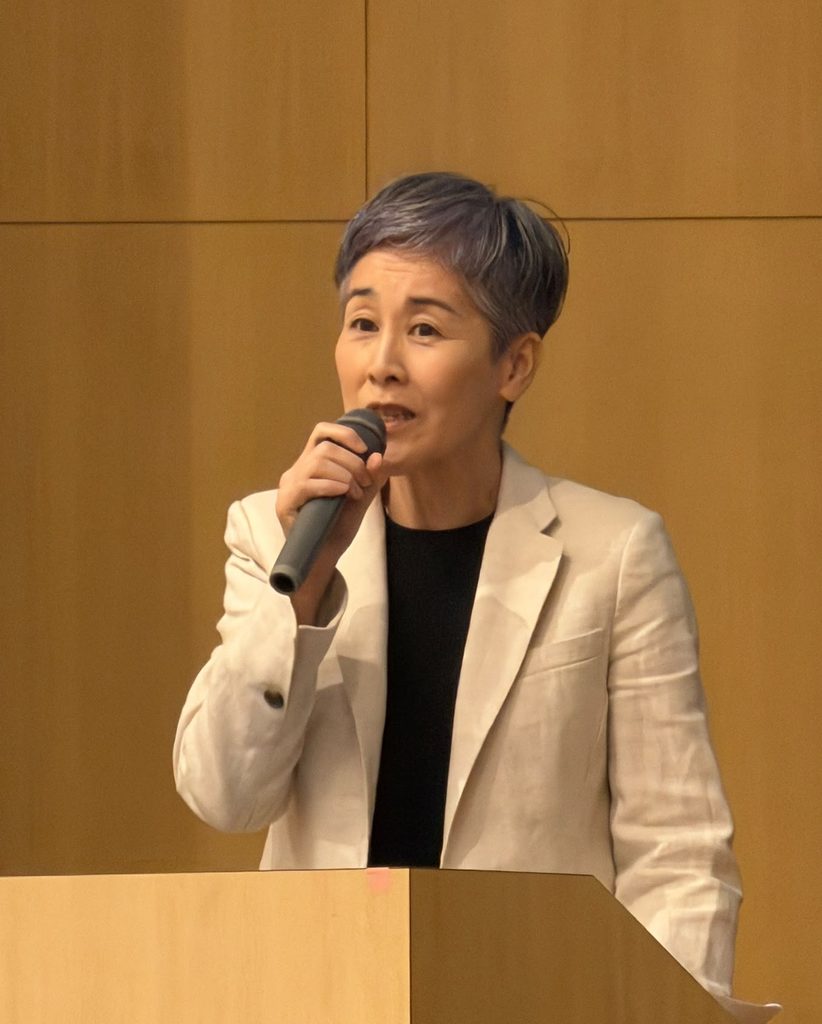
Nonfiction writer Keiko Horikawa described nearly two decades of investigating the system. Her reporting challenged the assumption that victims’ families speak with one voice: some welcomed death sentences; others wanted offenders to live and confront their crimes.
She also recalled interviewing a former judicial research official involved in preparing the Supreme Court ruling underlying the Nagayama standard, the factors courts consider when choosing between death and life imprisonment. He disputed treating those factors as a formula for execution.
Horikawa’s book Kyokaishi (The Prison Chaplain) follows a Buddhist priest who accompanied condemned prisoners. She recalled his words:
“No one has ever been made happy by an execution.”
This was his observation, not a verdict on every bereaved family’s experience. It nevertheless raised a crucial distinction: completing a sentence does not necessarily end the suffering surrounding a crime.
Horikawa called for suspending executions and openly examining victims’ support, prison officers’ psychological burdens, costs and hanging itself.
A Bereaved Sister’s Unanswered Question
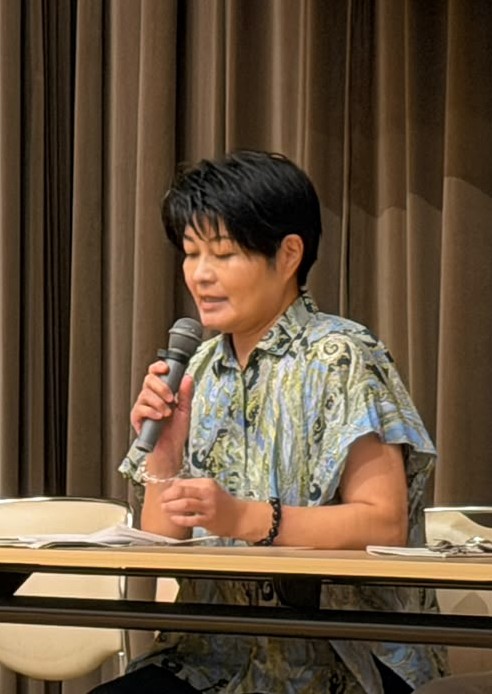
Nobuko lost her brother, the director of a psychiatric clinic, in the 2021 arson attack in Osaka’s Kitashinchi district. She subsequently began meeting prisoners and former prisoners to understand rehabilitation and prevent further tragedies.
“I want to prevent reoffending and stop more people from experiencing this grief,” she said.
She resisted being assigned to either camp. Some bereaved people want execution; others want offenders to live with their crimes; still others cannot bear to think about the case.
“I think each is an expression of the grief that person carries,” she said.
Nobuko acknowledged that offenders retain human rights. “Recognizing the human rights of offenders does not, in itself, deny the human rights of victims.”
But who addresses the rights taken from those killed, and the needs of families left behind? Support should not depend on whether a family favors capital punishment.
The United Nations’ 1985 declaration on justice for crime victims encompasses access to justice, fair treatment, restitution, compensation and assistance. Punishment alone is not the whole response.
Nobuko asked a further question: “What kind of society would prevent people from becoming offenders who face the death penalty?”
Her conversations with prisoners revealed experiences of abuse and isolation. Understanding those histories does not excuse crime. But punishment after violence cannot substitute for examining whether earlier support might have prevented it.
She has begun creating opportunities for parents to share experiences. That is her choice, not an obligation other bereaved families should be expected to shoulder. Prevention also requires institutions, not merely individual goodwill.
“I am neither for nor against the death penalty,” she said, describing her determination to keep thinking about life, guilt and suffering.
Justice Must Allow for Correction
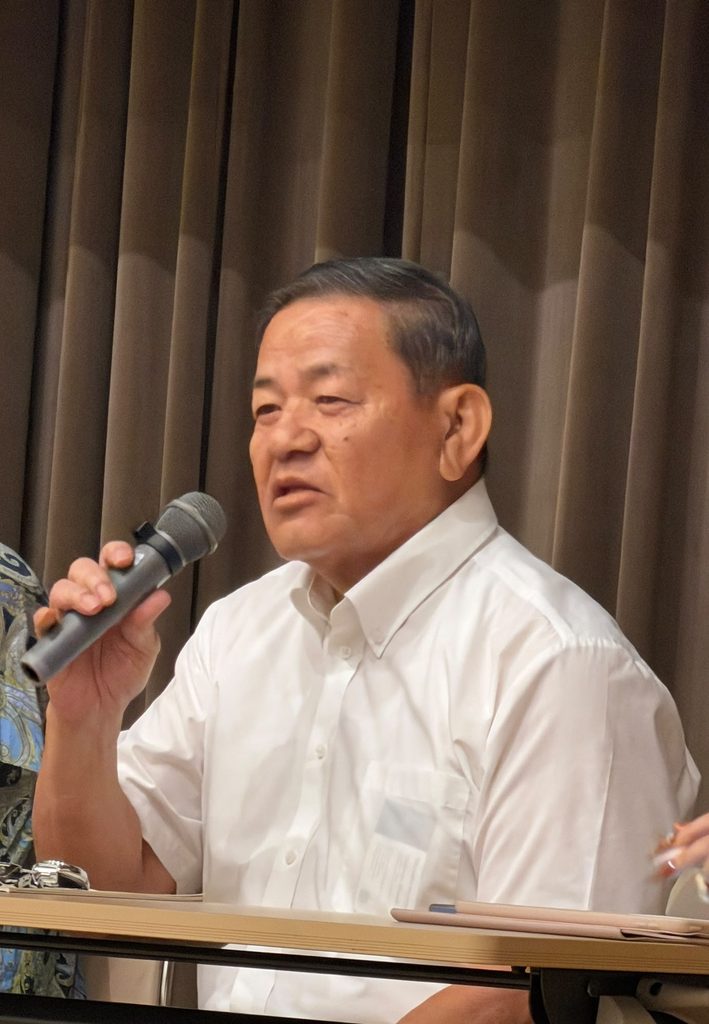
Former prison officer Toshio Sakamoto argued that restrictions on outside contact make changes in condemned prisoners difficult for society to see.
He also recalled his long acquaintance with Iwao Hakamada, who spent decades under sentence of death before his acquittal at a retrial in 2024. The case raises questions about interrogation, evidence disclosure and timely remedies.
Trust in justice depends not only on the authority to decide, but on the ability to acknowledge and correct error before irreversible harm occurs.
He also questioned increasingly lengthy life imprisonment. Japan’s life sentences permit parole in law; the issue is how public safety, victims’ concerns and evidence of rehabilitation are assessed in practice.
For Sorane Sakihama, a graduate student from Okinawa, studying in France first challenged her assumption that capital punishment was justice for victims. International exchanges later brought her face to face with people affected by wrongful death sentences.
Invoking the Okinawan expression “Nuchi du takara” — life is the greatest treasure — she connected her opposition to execution with her opposition to war. She emphasized creating spaces where young people can discuss difficult issues without needing settled opinions.
From Dialogue to Accountability
Horikawa welcomed the symposium’s new voices and willingness to move beyond fixed positions. Shimazono hoped the dialogue would continue.
Sustainable Development Goal 16 does not explicitly require abolition. It does call for reducing violence, protecting children, equal access to justice, accountable institutions and inclusive decision-making.
That provides a practical framework: Are victims receiving sustained support? Can doubtful convictions be effectively reviewed? Are prison staff’s burdens recognized? Is prevention reducing harm? Can citizens obtain the information needed to judge the system?
Disagreement over abolition need not prevent scrutiny of these questions.
Can people change? What does atonement mean? How should society support victims and prevent violence? How much power over life and death should the state possess?
A new dialogue on those questions began in a Tokyo church.
This article is brought to you by INPS Japan in collaboration with Soka Gakkai International in consultative status with UN ECOSOC.

INPS Japan
Related articles:
Papal Visit to Japan Revives Debate About Death Penalty
At Rome’s Colosseum, Faith Leaders Confront a World at War — and Dare to Speak of Peace